what kind of beds need old people to sleep without fall down
sleep
Sleep Tips for Older Adults
Are you a senior having problem sleeping? These tips can help you deal with indisposition, overcome age-related sleep problems, and become a good night'southward rest.
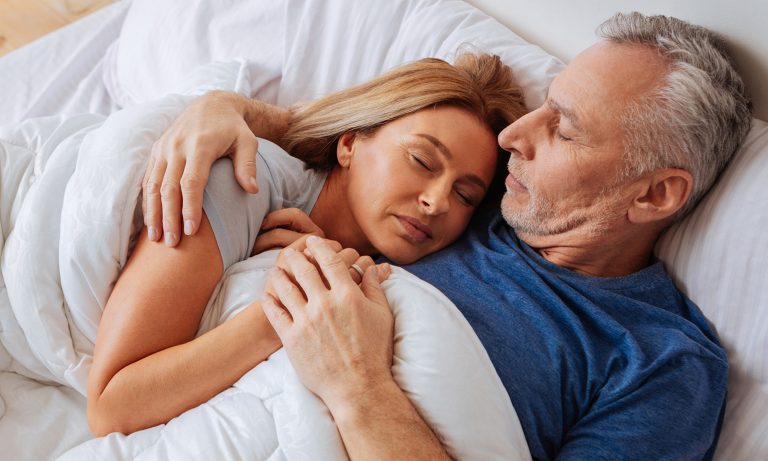
Sleep and aging
As we age, we often feel normal changes in our sleeping patterns, such as becoming sleepy earlier, waking up earlier, or experiencing less deep sleep. Nonetheless, disturbed sleep, waking upward tired every 24-hour interval, and other symptoms of insomnia are not a normal office of aging. Sleep is just as of import to your concrete and emotional health equally information technology was when you were younger.
A adept dark's sleep helps improve concentration and retentivity formation, allows your trunk to repair any prison cell damage that occurred during the day, and refreshes your allowed system, which in plough helps to prevent disease. Older adults who don't slumber well are more likely to suffer from depression, attention and memory issues, excessive daytime sleepiness, and experience more nighttime falls. Bereft sleep tin also lead to serious wellness problems, including an increased risk of cardiovascular disease, diabetes, weight problems, and breast cancer in women.
To improve your quality of slumber it's important to sympathize the underlying causes of your sleep problems. The following tips can assistance you place and overcome age-related sleep bug, get a good night's rest, and improve the quality of your waking life.
How much slumber practice older adults need?
While sleep requirements vary from person to person, most healthy adults crave seven to 9 hours of sleep per night. All the same, how yous feel in the morning is more important than a specific number of hours. Oftentimes waking upwardly not feeling rested or feeling tired during the day are the best indications that you're non getting plenty sleep.
Insomnia and aging tip i: Understand how sleep changes as you age
Every bit you age your body produces lower levels of growth hormone, and then you'll likely feel a decrease in slow wave or deep sleep (an particularly refreshing part of the sleep bike). When this happens you lot produce less melatonin, meaning you lot'll often feel more than fragmented sleep and wake up more often during the nighttime. That's why many of us consider ourselves "calorie-free sleepers" equally we age. You lot may also:
- Desire to get to sleep earlier in the evening and wake up before in the morning.
- Have to spend longer in bed at night to go the hours of sleep you need, or make up the shortfall past taking a nap during the mean solar day.
In nigh cases, such sleep changes are normal and don't indicate a sleep problem.
Sleep bug not related to historic period
At any age, it'due south mutual to experience occasional slumber problems. Still, if you experience any of the post-obit symptoms on a regular footing, you lot may be dealing with a slumber disorder:
- Take trouble falling asleep even though y'all feel tired.
- Have problem getting back to sleep when awakened.
- Don't experience refreshed after a dark'due south sleep.
- Feel irritable or sleepy during the mean solar day.
- Accept difficulty staying awake when sitting nevertheless, watching goggle box, or driving.
- Have difficulty concentrating during the day.
- Rely on sleeping pills or alcohol to autumn asleep.
- Have trouble controlling your emotions.
Affordable Online Therapy for Sleep Problems
Get professional help from BetterHelp's network of licensed therapists.
HelpGuide is reader supported. We may receive a commission if you sign up for BetterHelp through the provided link. Acquire more.
Tip 2: Place underlying causes for your insomnia
Many cases of indisposition or slumber difficulties are caused by underlying but very treatable causes. By identifying all possible causes, you tin can tailor treatment appropriately.
- Are you under a lot of stress?
- Are you depressed? Do you feel emotionally flat or hopeless?
- Practise you struggle with chronic anxiety or worry?
- Accept you recently gone through a traumatic feel?
- Are you taking any medications that might be affecting your sleep?
- Do you lot have any health problems that may interfere with sleep?
Common causes of insomnia and sleep bug in older adults
Poor sleep habits and sleep environment. These include irregular sleep hours, consumption of alcohol earlier bedtime, and falling asleep with the Tv on. Make sure your room is comfortable, nighttime and quiet, and your bedtime rituals conducive to slumber.
Hurting or medical weather. Health conditions such as a frequent demand to urinate, pain, arthritis, asthma, diabetes, osteoporosis, night heartburn, and Alzheimer's affliction can interfere with sleep. Talk to your doctor to accost any medical issues.
Menopause and mail service menopause. During menopause, many women find that hot flashes and night sweats tin interrupt sleep. Even post menopause, sleep bug can continue. Improving your daytime habits, especially diet and practise, can help.
Medications. Older adults tend to take more medications than younger people and the combination of drugs, besides as their side-effects, tin can impair sleep. Your md may be able to make changes to your medications to ameliorate sleep.
Lack of do. If y'all are as well sedentary, y'all may never feel sleepy or feel sleepy all the time. Regular aerobic practise during the day can promote good sleep.
Stress. Significant life changes like retirement, the death of a loved one, or moving from a family home can cause stress. Nothing improves your mood ameliorate than finding someone you tin talk to confront-to-face.
[Read: Adjusting to Retirement: Treatment the Stress and Feet]
Lack of social engagement. Social activities, family, and work can keep your activeness level up and prepare your body for a practiced dark's sleep. If y'all're retired, try volunteering, joining a seniors' group, or taking an adult didactics class.
Sleep disorders. Restless Legs Syndrome (RLS) and sleep-disordered breathing—such as snoring and sleep apnea—occur more oftentimes in older adults.
Lack of sunlight. Bright sunlight helps regulate melatonin and your sleep-wake cycles. Try to become at least two hours of sunlight a day. Keep shades open during the day or use a light therapy box.
Tip iii: Amend sleep habits
In many cases, you lot tin can improve your sleep past addressing emotional issues, improving your sleep surroundings, and choosing healthier daytime habits. Since anybody is different, though, it may take some experimentation to find the specific changes that piece of work best to better your sleep.
Encourage better slumber at night
Naturally heave your melatonin levels. Bogus lights at night can suppress your body's production of melatonin, the hormone that makes you sleepy. Use low-wattage bulbs where safe to do so, and turn off the TV and computer at least one hour before bed.
Don't read from a backlit device at night (such as an iPad). If like to read from a tablet or other electronic device, switch to an eReader that requires an additional light source.
Brand certain your chamber is quiet, dark, and cool, and your bed is comfortable. We often go more sensitive to racket as we age, and light and rut can likewise crusade slumber problems. Using a sound automobile, ear plugs, or a sleep mask tin help.
Utilise your sleeping accommodation only for sleep and sex. By not working, watching Television, or using your calculator in bed, your brain will associate the bedroom with just sleep and sex.
Move bedroom clocks out of view. The light can disrupt your sleep and anxiously watching the minutes tick by is a surefire recipe for insomnia.
Keep a regular bedtime routine for amend sleep
Maintain a consistent sleep schedule. Go to bed and wake upward at the same times every solar day, even on weekends.
Block out snoring. If snoring is keeping yous upwards, try earplugs, a white-dissonance automobile, or separate bedrooms.
Go to bed before. Accommodate your bedtime to friction match when you feel similar going to bed, fifty-fifty if that's earlier than it used to be.
Develop soothing bedtime rituals. Taking a bath, playing music, or practicing a relaxation technique such as progressive musculus relaxation, mindfulness meditation, or deep breathing can aid you wind down before bed.
Limit slumber aids and sleeping pills. Many sleep aids have side effects and are not meant for long-term use. Sleeping pills don't address the causes of insomnia and can even arrive worse in the long run.
Combine sex and sleep. Sex and physical intimacy, such every bit hugging, can atomic number 82 to restful sleep.
How to nap
If you don't feel fully alert during the mean solar day, a nap may provide the energy you demand to perform fully for the rest of the day. Experiment to see if information technology helps you.
Some tips for napping:
- Go along it short. Naps as short every bit 5 minutes can improve alacrity and certain memory processes. Most people benefit from limiting naps to xv-45 minutes. You may feel groggy and unable to concentrate after a longer nap.
- Nap early. Nap early on in the afternoon. Napping too late in the day may disrupt your night sleep.
- Be comfortable. Effort to nap in a comfortable environment preferably with express low-cal and racket.
Tip 4: Utilise diet and do to improve sleep
2 of the daytime habits that most affect slumber are diet and exercise. As well equally eating a sleep-friendly diet during the day, it's peculiarly important to scout what you put in your trunk in the hours earlier bedtime.
Diet tips to improve sleep
Limit caffeine late in the day. Avoid coffee, tea, soda, and chocolate late in the twenty-four hour period.
Avoid booze before bedtime. It might seem that alcohol makes you sleepy, but it will really disrupt your sleep.
Satisfy your hunger prior to bed. Have a light snack such as low-sugar cereal, yogurt, or warm milk.
Cutting downward on sugary foods. Eating a diet loftier in sugar and refined carbs such as white bread, white rice, pasta, and French chips can cause wakefulness at night and pull you out of the deep, restorative stages of sleep.
Avert big meals or spicy foods just before bedtime. Large or spicy meals may atomic number 82 to indigestion or discomfort. Try to eat a modest-size dinner at least three hours before bedtime.
Minimize liquid intake before sleep. Limit what you lot drinkable within the hour and a half before bedtime to limit how ofttimes yous wake up to use the bath at night.
Exercise for overcoming sleep problems in older adults
Exercise—specially aerobic activity—releases chemicals in your trunk that promote more restful sleep. Even if y'all accept mobility issues, there are countless activities y'all tin practice to prepare yourself for a expert night's sleep. But always consult your doctor before embarking on whatever new fettle programme.
Endeavor:
Swimming/water exercises. Swimming laps is a gentle style to build up fitness and is great for sore joints or weak muscles. Many community and YMCA pools accept swim programs just for older adults, as well as water-based exercise classes.
Dancing. If you honey to movement to music, go dancing or take a dance class. Dance classes are also a smashing way to extend your social network.
Lawn bowling, bocce, or pétanque. These ball games are gentle ways to exercise. The more you walk, and the brisker the pace, the more aerobic do good you'll feel.
Golfing. Golf is another practice that doesn't require vigorous movement. Walking adds an aerobic bonus and spending time on the grade with friends can amend your mood.
Cycling or running. If you are in good shape, you can run and cycle until late in life. Both tin be done outdoors or on a stationary bicycle or treadmill.
Aerobic practise helps seniors sleep better
A study at Northwestern Academy plant that aerobic exercise resulted in the most dramatic improvement in quality of slumber, including sleep duration, for heart-aged and older adults with a diagnosis of indisposition.
- The participants exercised for two 20-minute sessions or ane 30-to-twoscore-minute session four times per week.
- They worked at 75 percent of their maximum heart charge per unit on at to the lowest degree two activities including walking or using a stationary bicycle or treadmill.
- Their sleep quality improved from a diagnosis of poor sleeper to good sleeper.
- They reported fewer depressive symptoms, more vitality, and less daytime sleepiness.
Source: National Sleep Foundation
Tip v: Reduce mental stress
Stress and anxiety built up during the solar day can also interfere with sleep at night. It's important to learn how to allow go of thoughts and worries when it's time to sleep.
- Continue a periodical to tape worries before you retire.
- On your to-practice list, check off tasks completed, list your goals for tomorrow, then permit them become.
- Listen to calming music.
- Read a volume that makes you feel relaxed.
- Get a massage from a friend or partner.
- Use a relaxation technique to prepare your body for sleep.
- Seek opportunities during the day to talk face to confront with a friend about what's troubling you.
Getting back to slumber at night
As you get older, it'due south normal to wake up more often during the night. However, if you lot're having problem falling back comatose, the post-obit tips may help:
Don't stress. Stressing over the fact that y'all tin can't become back to sleep merely encourages your trunk to stay awake. Endeavour to stay out of your head and focus on the feelings and sensations in your body instead.
Make relaxation your goal, not sleep. Try a relaxation technique such as deep animate or meditation, without getting out of bed. Although not a replacement for sleep, relaxation can all the same help rejuvenate your trunk.
Do a quiet, non-stimulating activeness. If you lot've been awake for more than 20 minutes, get out of bed and do a non-stimulating activity, such as reading a volume. But proceed the lights dim and avert screens.
Postpone worrying. If you wake during the night feeling broken-hearted about something, make a cursory note of information technology on paper and postpone worrying well-nigh information technology until the next day when it will be easier to resolve.
When to talk to a doc about sleep problems
If your ain attempts to solve your sleep problems are unsuccessful, keep a slumber diary and take it to your dr.. Write downwards when you use booze, caffeine, and nicotine, and keep track of your medications, exercise, lifestyle changes, and recent stresses. Your doctor may then refer you to a sleep specialist or cognitive behavioral therapist for further handling, especially if insomnia is taking a heavy toll on your mood and health.
Therapy vs. sleeping pills for indisposition in seniors
While sleeping pills and sleep aids can be effective when used sparingly for curt-term situations, such as recovery from a medical process, they won't cure your insomnia. In fact, they tin actually make insomnia worse in the long-term.
Cognitive-behavioral therapy (CBT) is a form of psychotherapy that treats sleep bug by addressing the negative thoughts, worries, and behavior that foreclose y'all from sleeping well at nighttime. A report at Harvard Medical Schoolhouse found that CBT was more effective at treating chronic insomnia than prescription sleep medication—but without the risks or side effects. CBT can exist conducted individually, in a group, or even online.
Source: https://www.helpguide.org/articles/sleep/how-to-sleep-well-as-you-age.htm

Post a Comment for "what kind of beds need old people to sleep without fall down"